
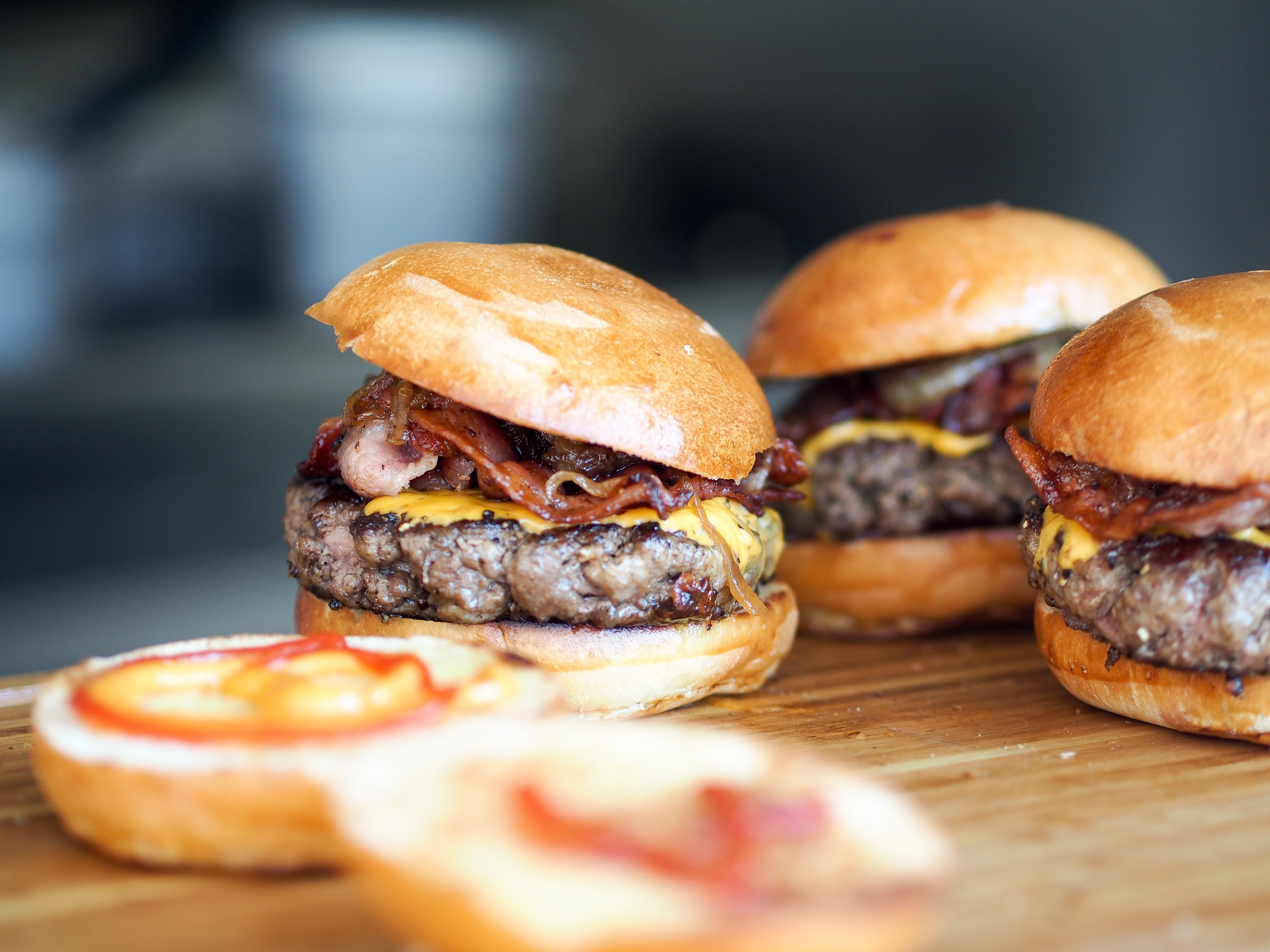
Whether its from looking around the internet, hearing people chat about it in the gym changing rooms or you’ve seen it on the news, low-fat diets are often advised in order to lose weight.
Eating fat is very much still associated with ‘gaining fat’ or ‘gaining weight’, therefore people have began to believe ‘removing fat’ from their diet will eliminate them from gaining any fat. This isn’t quite the truth.
Why would people promote ‘low-fat’ diets??
The main reason why low-fat diets are pushed is due to the fact that fat contains 9 calories per 1 gram, whereas 1g of protein or carbohydrate contain only 4 calories.
If you cut out fats, you cut out calories. But this can be detrimental for overall health – our body NEEDS fats!
Let’s take a look at why you should include fats as part of your diet and why you should avoid low-fat diets.
1- Eating fat won’t make you fat…
One important thing to understand is that eating foods containing fat won’t make you ‘gain fat’. Food comes in 3 different types: fats, carbohydrates and protein. These are also known as ‘macronutrients’ or ‘macros’. Eating fat itself isn’t what causes you to gain weight.
2 – … but too many calories will!
Instead, eating more calories than your body burns is what causes you to gain weight. You could eat little fat in your diet – but if the amount of calories you consume through eating protein and carbohydrates is more than your body burns – then you will gain weight. Yes, this could be in the form of muscle if you are lifting weights, but it can also be fat too!
3 – Your body NEEDS fats
Your body uses the fats you eat as energy to work properly. Fats are also needed to help keep your skin and hair healthy. As well as this, fats also help the body to absorb vitamins A, D, E and K, which are often referred to as the soluble vitamins.
4 – Eating fat can help you LOSE weight
One of the key benefits to eating fat is it’s satiating effect. Eating fats can leave you feeling full and satisfied, which can reduce your hunger levels and the snacking you do between meals.
Which fats should I eat?
Of course, this doesn’t mean you should eat any and all fats you can think of. Instead, eat fats in moderation whilst aiming to eat the better fats including nuts, seeds, coconut/olive oil and fatty fishes. Even cheese, steak, sausage and burgers are OKAY in moderation. You simply need to find a balance and finding what works best for your body is always best.


Leave A Comment